Side By Side Component
Side by Side column 1
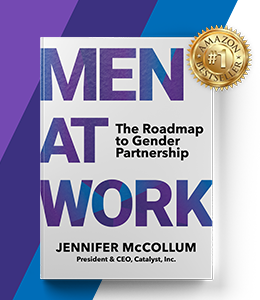
here some text In the right side
Additional Row 1
Additional Row 1 Column 2
Additional Row 1 Column 2 Text
Additional row 2
Some text for row 2.
Row 3
Row 3 text test.
Tab component
Testing Content Card Carousel
View MoreTesting Content Card Carousel
View MoreThis is subtext example here.


Heading Test H4 Italic
something here
Icon Card Grid Default variant
description

Card 1
card 1 text
Card 2
card 2 text
Card 3
card 3 text
Card 4
card 4 text
Card 1
card 1 text
Card 2
card 2 text
Card 3
card 3 text
Card 4
Card 4 text

Heading Test
Lorem ipsum dolor sit amet, consectetur adipiscing elit, sed do eiusmod tempor incididunt ut labore et dolore magna aliqua. Ut enim ad minim veniam, quis nostrud exercitation ullamco laboris nisi ut aliquip ex ea commodo consequat. Duis aute irure dolor in reprehenderit in voluptate velit esse cillum dolore eu fugiat nulla pariatur. Excepteur sint occaecat cupidatat non proident, sunt in culpa qui officia deserunt mollit anim id est laborum.
Sparkle List Testing
Title 1
description 1
Item 2
item 2 test
Item 3
item 3 test
Item 4
item 4 test
title 5
Our analysis quantified the five practices, beyond pay gap reporting, that have the greatest impact on business performance for UK organisations13:
Standardise pay processes
- Use set starting salaries and pay bands, and limit negotiation to minimise bias in job offers.
Audit pay across gender annually
- Regularly analyse pay disparities to identify and address gender gaps.
Communicate transparently about pay decisions
- Clearly explain how pay is determined, sharing the factors (e.g., market data, performance) with employees.
Ensure vendors meet minimum DEI/labour standards
- Work with suppliers who align with your equity and inclusion values.
Adjust compensation when pay disparities are found
- Take corrective action to close gaps when they are identified.
Heading Test
Lorem ipsum dolor sit amet, consectetur adipiscing elit, sed do eiusmod tempor incididunt ut labore et dolore magna aliqua. Ut enim ad minim veniam, quis nostrud exercitation ullamco laboris nisi ut aliquip ex ea commodo consequat. Duis aute irure dolor in reprehenderit in voluptate velit esse cillum dolore eu fugiat nulla pariatur. Excepteur sint occaecat cupidatat non proident, sunt in culpa qui officia deserunt mollit anim id est laborum.
Sparkle List Testing
Title 1
description 1
Item 2
item 2 test
Item 3
item 3 test
Item 4
item 4 test
title 5
Content Card Grid Test
heading test
Eyebrow 1
Featured Media test
Is decorative test

some explanation

Insights Hub Test 2
Supporters can log in to access hundreds of exclusive insights, webinars, trainings and more.
Venue
Lorem Ipsum, LoremDate
Time
-xx Stats Grid Testing xx
Test

Card 1
card 1 test
test
Barriers to compliance
Achieving compliance with the EU Pay Transparency Directive requires strong internal alignment and a clear understanding of evolving national regulations. The main challenges fall into two categories:
Internal barriers
Lack of standardised job evaluation and pay processes
Many organisations do not yet have consistent, rigorous methods for evaluating roles of “equal value,”11 monitoring pay outcomes,12 or analysing data in a consistent and fair way.13 Without standardised frameworks, it becomes difficult to demonstrate that pay decisions are fair, evidence-based, and aligned across the business.
Limited cross-functional collaboration
Compensation, HR, finance, legal, diversity, equity, and inclusion teams often operate in silos, with strategies developed and executed within individual teams.15
However, the directive requires these functions to work together on job architecture, pay benchmarking, data reporting, and communications. Without integrated governance, organisations are at higher risk of inconsistent practices and non-compliance.16
External barriers
Unclear national regulatory guidance
Many EU member states are still finalising local legislation and enforcement details.14 This uncertainty makes it challenging for employers to plan and implement compliance strategies with confidence.
Divergent cross-border requirements
For multinational employers, varying national interpretations of the directive create legal, operational, and reputational challenges.17 The cost18 and complexity of aligning multiple country-level frameworks are commonly cited barriers.